Abstract Watercolor Texture Patterns for Creative Projects
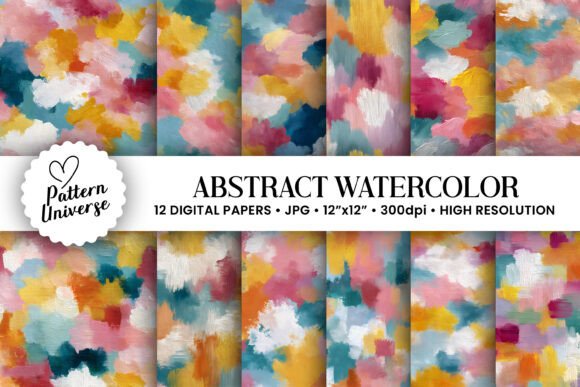
Abstract watercolor texture patterns offer a unique blend of artistic expression and functional design, making them a valuable resource for a wide range of creative endeavors. These patterns are characterized by their fluid, organic shapes and soft color transitions, which evoke the natural randomness of watercolor painting. Unlike traditional graphic designs, abstract watercolor textures often lack a clear focal point, instead relying on visual interest through layering, blending, and subtle variations in tone and form.
What Makes Abstract Watercolor Texture Patterns Distinct
One of the defining features of abstract watercolor texture patterns is their versatility. They can be used as backgrounds, overlays, or standalone elements in various design projects. The textures often mimic the look of real watercolor paintings, including brushstrokes, splatters, and washes, giving digital creations a handcrafted feel. This quality makes them especially appealing to artists, designers, and crafters looking to add depth and character to their work without the need for complex illustration tools.
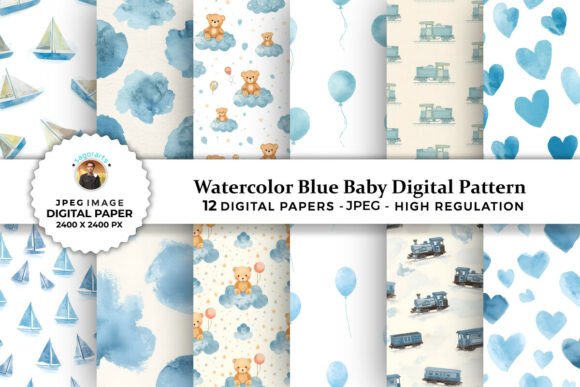
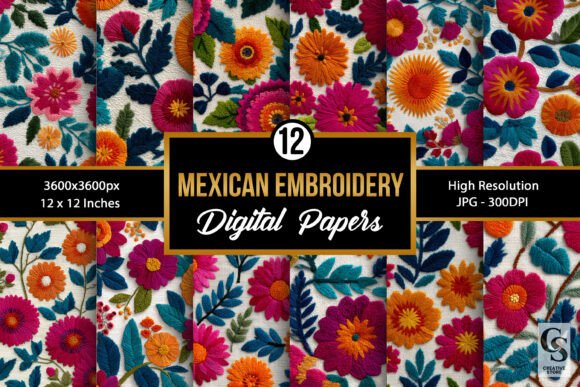
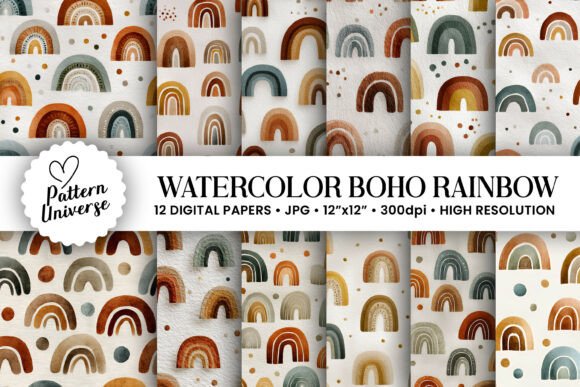
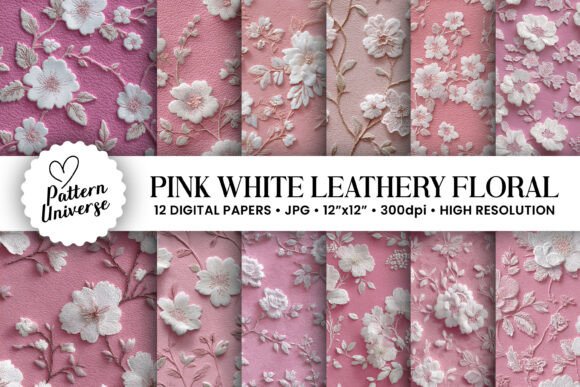
The digital nature of these patterns also allows for easy customization and scalability. High-resolution files ensure that they maintain clarity at any size, making them suitable for both small-scale projects like greeting cards and large-format applications such as wall art. The availability of 12 distinct patterns within a single zip file provides users with a diverse selection to choose from, reducing the need to search for multiple resources.
Comparing Abstract Watercolor Texture Patterns with Alternatives
When considering abstract watercolor texture patterns, it’s helpful to compare them with other types of digital assets. Traditional graphic design elements, such as geometric shapes or solid colors, often serve different purposes. While they may be more structured and precise, they lack the organic feel that watercolor textures provide. For projects that require a more natural or artistic aesthetic, abstract watercolor patterns can be a better fit.
Another alternative is stock photography or vector illustrations. These options may offer more control over specific details but typically come with licensing restrictions and may not align with the freeform style of watercolor textures. Additionally, creating custom watercolor textures from scratch requires time, skill, and access to physical materials, which can be a barrier for some users.
For those who prefer a more hands-on approach, handmade watercolor paper or printed textures could be an option. However, these methods may not be as convenient for digital workflows or mass production. Digital abstract watercolor patterns bridge this gap by offering the authenticity of a painted texture with the efficiency of a downloadable file.
Best Use Cases for Abstract Watercolor Texture Patterns
Abstract watercolor texture patterns are particularly well-suited for projects that benefit from a subtle, artistic background. Gift wrapping, for example, can be elevated with a watercolor pattern that adds visual interest without overwhelming the design. Similarly, greeting cards and invitations can use these textures to create a sense of elegance or whimsy, depending on the chosen pattern.
Tumbler wraps and scrapbook pages also benefit from the soft, layered look of watercolor textures. These applications often rely on a cohesive visual theme, and the abstract nature of the patterns allows for flexibility in how they are incorporated. Junk journals, in particular, can take advantage of the textures to add variety and depth to each page.
Wall art and other decorative pieces can also be enhanced with abstract watercolor patterns. Their high resolution ensures that they look sharp when printed, while their non-repetitive design prevents them from appearing too busy or cluttered. This makes them ideal for spaces where a calm, artistic atmosphere is desired.
Considerations and Tradeoffs
While abstract watercolor texture patterns offer many advantages, they may not be the best choice for every project. For instance, if a design requires a clean, minimalistic look, the complexity of a watercolor texture could be distracting. In such cases, simpler patterns or solid colors might be more appropriate.
Another consideration is the level of detail required. Some projects may need highly specific textures that match a particular theme or color scheme. In these situations, users may need to seek out more tailored resources or combine multiple textures to achieve the desired effect.
It’s also important to note that the effectiveness of a texture depends on how it is used. A poorly placed or overly dominant texture can detract from the overall design rather than enhance it. Experimentation and careful placement are key to getting the most out of these patterns.
When to Choose Abstract Watercolor Texture Patterns
Abstract watercolor texture patterns are a strong choice when the goal is to add a touch of creativity and sophistication to a project. They are especially useful for those who want to incorporate an artistic element without the need for advanced design skills. Whether you're working on a personal craft project or preparing materials for clients, these patterns provide a reliable and versatile solution.
If your work involves a lot of text or detailed graphics, however, you may need to balance the texture with other design elements to avoid visual overload. In such cases, using the texture as a background or overlay can help maintain clarity while still benefiting from its aesthetic appeal.
For those who are new to digital design, abstract watercolor texture patterns can serve as a starting point for exploring different styles and techniques. They allow users to experiment with composition and color without the pressure of creating original artwork from scratch.
Conclusion
Abstract watercolor texture patterns offer a compelling combination of artistic value and practical application. Their ability to add depth and visual interest to a wide range of projects makes them a valuable addition to any designer’s or crafter’s toolkit. By understanding their strengths and limitations, users can make informed decisions about when and how to use them effectively.