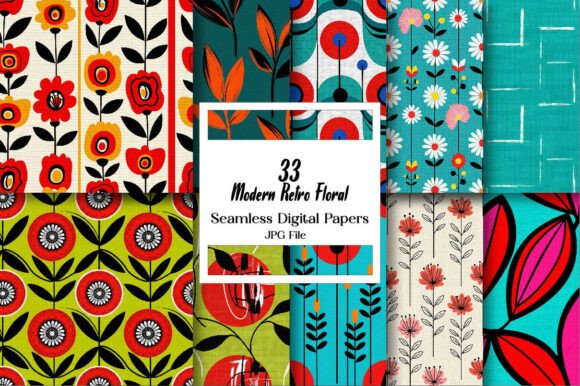
Modern Retro Floral Patterns: A Timeless Fusion of Style and Design
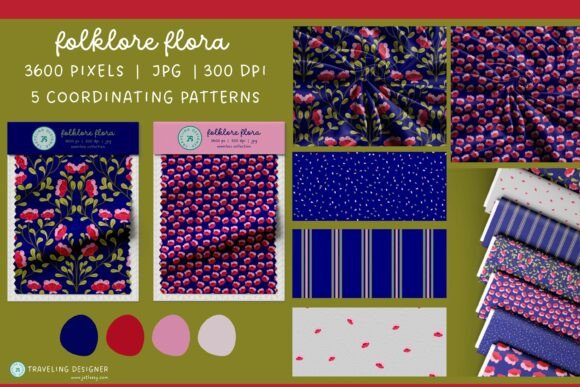
Modern Retro Floral Patterns have emerged as a powerful design element that bridges the gap between nostalgia and contemporary aesthetics. This unique collection combines the elegance of vintage floral motifs with the clean lines and bold colors of modern design, resulting in a versatile and appealing visual language. Whether you're a designer, a brand strategist, or a creative hobbyist, these patterns offer a rich source of inspiration and practical application across various mediums.
The appeal of Modern Retro Floral Patterns lies in their ability to evoke a sense of warmth and charm while maintaining a fresh, up-to-date look. The use of playful blooms, balanced compositions, and retro color palettes creates a harmonious blend that feels both familiar and innovative. This duality makes them ideal for projects that require a touch of sophistication without sacrificing modernity.
Applications Across Creative Industries
One of the most compelling aspects of Modern Retro Floral Patterns is their wide range of applications. From fabric and wallpaper to product packaging and digital backgrounds, these designs can be adapted to suit almost any creative need. For instance, in textile design, they bring a whimsical yet refined quality to garments and home decor items. In the realm of stationery, they add a personal and artistic flair to business cards, envelopes, and notebooks.
In product packaging, Modern Retro Floral Patterns can elevate the visual appeal of items such as cosmetics, food products, and gift boxes. The patterns not only enhance the aesthetic value but also help in creating a memorable brand identity. Similarly, in digital backgrounds, they provide a visually engaging backdrop that can be used for websites, social media posts, and presentations.
Design Characteristics and Benefits
Modern Retro Floral Patterns are characterized by their intricate details and cohesive layouts. Each design is carefully crafted to ensure a smooth repeating flow, making them suitable for both print and digital formats. The use of vibrant colors and dynamic shapes adds depth and interest, while the balanced compositions ensure visual harmony.
A key benefit of these patterns is their versatility. They can be used in a variety of contexts, from casual to formal, allowing designers to tailor their use based on the project's requirements. Additionally, their timeless nature means they remain relevant across different trends and seasons, offering long-term value.
Another advantage is their ability to convey specific moods and themes. For example, a soft pastel palette with delicate flowers might evoke a sense of calm and femininity, while a bolder, more geometric arrangement could suggest energy and innovation. This flexibility allows for a wide range of creative expressions and emotional connections.
Use Cases and Real-World Examples
Consider a small business owner looking to create a brand identity that stands out. By incorporating Modern Retro Floral Patterns into their logo, packaging, and marketing materials, they can establish a distinct and appealing image. This approach not only attracts attention but also communicates a sense of authenticity and craftsmanship.
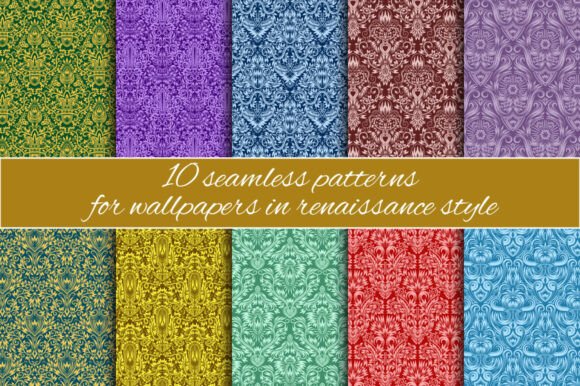
Similarly, an interior designer might use these patterns in wallpaper or fabric to add a decorative and personalized touch to a space. The combination of retro elements with modern design principles can create a unique atmosphere that reflects the client's tastes and preferences.
In the world of digital art and graphic design, Modern Retro Floral Patterns serve as a valuable resource for creating visually striking compositions. Artists and designers can use them as base elements for illustrations, web graphics, and mobile app interfaces, enhancing the overall user experience.
Considerations for Effective Use
While Modern Retro Floral Patterns offer numerous benefits, it's important to consider how they are implemented. Overuse or improper scaling can lead to visual clutter, diminishing the intended effect. Therefore, it's crucial to maintain a balance between the pattern's complexity and the overall design's clarity.
Additionally, understanding the target audience is essential. What works well for a youthful, trendy demographic may not resonate with a more traditional or professional group. Tailoring the use of these patterns to the intended audience ensures that the design remains effective and appropriate.
Finally, staying informed about current design trends and best practices can help in maximizing the impact of Modern Retro Floral Patterns. Keeping an eye on how other designers and brands are using these elements can provide valuable insights and inspiration for future projects.
Conclusion
Modern Retro Floral Patterns represent a dynamic and adaptable design solution that continues to gain popularity across various creative fields. Their unique blend of vintage charm and modern style offers a refreshing alternative to more conventional design elements. By understanding their characteristics, applications, and considerations, designers and creators can effectively harness their potential to enhance their work and connect with their audiences.