Soft Earth Stripe Seamless Patterns
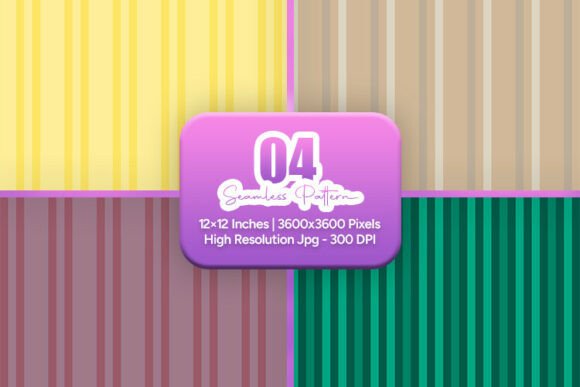
Soft Earth Stripe Seamless Patterns is a collection of vertical stripe designs that feature earthy and muted color tones. These patterns are ideal for a variety of creative projects, including digital paper, textile printing, scrapbooking, wallpaper, packaging, branding, and surface design. The seamless nature of the patterns ensures they can be repeated without visible seams, making them versatile for both digital and physical applications.
What Are Soft Earth Stripe Seamless Patterns?
Soft Earth Stripe Seamless Patterns refers to a set of high-quality, repeatable designs that incorporate vertical stripes in soft, natural color palettes. Each pattern is created with a focus on simplicity and elegance, allowing it to serve as a clean and modern background for various design needs. The collection is designed to offer a cohesive aesthetic that complements a wide range of styles, from minimalist to rustic.
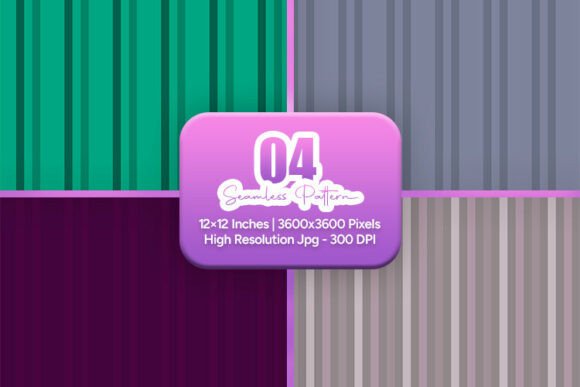
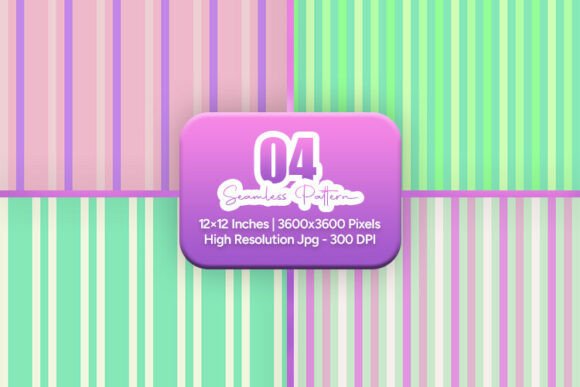
The file details include a size of 12 x 12 inches at 3600 x 3600 pixels, with a resolution of 300 DPI. This ensures that the patterns maintain clarity and quality when printed or used digitally. The format is a JPG file, which is widely supported across design software and platforms.
Why Someone Might Be Interested in Soft Earth Stripe Seamless Patterns
Designers, crafters, and creatives often seek out seamless patterns to streamline their workflow and enhance their visual output. Soft Earth Stripe Seamless Patterns offers an accessible option for those looking to incorporate subtle texture and pattern into their work without overwhelming the overall design. The earthy and muted tones make it particularly appealing for projects that aim to evoke a sense of calm, nature, or sustainability.
For those working on branding or packaging, the collection provides a professional and cohesive look that can be adapted to different mediums. Its versatility makes it suitable for both digital and print applications, offering a consistent visual identity across multiple platforms.
Benefits of Using Soft Earth Stripe Seamless Patterns
One of the primary benefits of Soft Earth Stripe Seamless Patterns is its ease of use. The seamless design allows for infinite repetition, which is especially useful for backgrounds, textures, and large-scale prints. This feature saves time and effort compared to manually creating or repeating patterns.
The muted color palette also offers a level of flexibility that can complement a wide range of other design elements. Whether used as a background or as a subtle detail, the patterns provide a refined and elegant look that enhances the overall composition without overpowering it.
Additionally, the high-resolution format ensures that the patterns remain sharp and clear at any scale, making them suitable for both small and large projects. This quality is essential for professionals who require precision and consistency in their work.
Considerations and Tradeoffs
While Soft Earth Stripe Seamless Patterns offers many advantages, there are some considerations to keep in mind. The muted color tones may not be suitable for all design styles, particularly those that require bold or vibrant visuals. Users should evaluate whether the aesthetic aligns with their project goals before incorporating the patterns into their work.
Another factor is the format. Since the files are in JPG, users who require editable vector formats may need to convert the images or seek alternative sources. This limitation could be a drawback for those who prefer working with scalable graphics or need more customization options.
Furthermore, while the collection is designed for a modern and clean look, it may not be the best choice for projects that require intricate or highly detailed patterns. In such cases, alternative options with more complexity or variation might be more appropriate.
Situations Where It May Be a Strong Fit
Soft Earth Stripe Seamless Patterns is well-suited for projects that prioritize simplicity, elegance, and a connection to nature. For example, it can be used as a background for websites, social media posts, or marketing materials that aim to convey a sense of calm and sophistication. Its muted tones also make it ideal for eco-friendly or sustainable branding initiatives.
In textile design, the patterns can be applied to fabrics for clothing, home decor, or accessories, adding a subtle texture without being overwhelming. For scrapbooking or digital paper projects, the seamless nature of the patterns allows for easy integration into layouts and designs.
Additionally, the collection is beneficial for packaging design, where a clean and professional appearance is essential. The patterns can be used to create a unique yet understated brand identity that stands out without being too flashy.
Situations Where Alternatives May Be Worth Considering
For projects that require more dynamic or colorful visuals, alternatives with brighter or more varied color schemes may be more appropriate. If the goal is to create a bold statement or attract attention, the muted tones of Soft Earth Stripe Seamless Patterns may not be the best choice.
Users who need more flexibility in terms of scalability or editability may find that vector-based patterns or custom designs are more suitable. These options allow for greater control over the final output, which can be important for certain types of projects.
Additionally, if the design requires a high level of detail or complexity, the simple nature of the stripe patterns may not meet the requirements. In such cases, more intricate or textured patterns could be a better fit.
Practical Decision-Making Insights
When deciding whether to use Soft Earth Stripe Seamless Patterns, it's important to consider the specific needs of the project. Start by defining the desired aesthetic and functionality. Ask questions such as: Does the project require a clean and modern look? Will the patterns complement other design elements? Is the resolution and format suitable for the intended use?
It can also be helpful to test the patterns in different contexts to see how they perform. Experimenting with placement, color balance, and scale can provide valuable insights into their effectiveness and suitability.
Finally, compare the collection with other similar products to determine which one best meets the project's requirements. This evaluation process can help ensure that the chosen patterns align with the overall vision and goals of the design work.